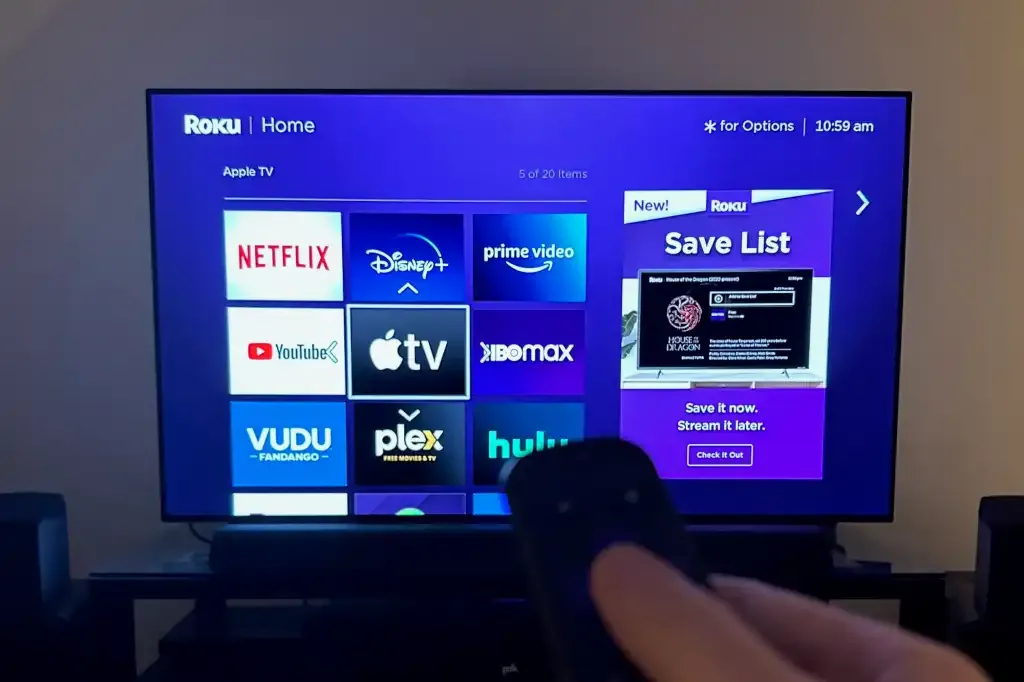
Over the past decade, the way we watch media has changed completely. Cable boxes and satellite dishes are turning into relics, replaced by internet-based services. When households plan a modern entertainment setup today, the decision usually boils down to two paths: subscription video-on-demand networks, or Internet Protocol Television.
On one side stands the pioneer of modern streaming, a name known around the world. On the other is a fast-growing infrastructure that delivers thousands of live feeds over your ordinary broadband connection.
If you are ready to cut the cord but cannot decide between them, this comparison covers features, costs, content libraries, and delivery technology so you can pick the setup that suits you.

1. How the Two Technologies Differ
Before choosing, it helps to know how each system gets video to your living room.
Browsing movies to watch on Netflix means opening a fixed, pre-recorded library. The files live on a huge network of cloud servers. When you press play, your app requests that file and it downloads to your screen on its own schedule. Pausing, rewinding, and skipping ahead all work smoothly because the stream is yours alone at that moment.
An iptv service works differently. Plenty of providers include on-demand sections, but the core technology is built for live television. Rather than downloading a stored file, your device tunes into a continuous broadcast moving across the internet in real time. That is how you catch live events, morning news, and international programming as it happens.
"An iptv service operates quite differently. While many providers do offer on-demand folders, the core technology is built around live television delivery."
2. Content Libraries: Original Series vs Live TV
Which system suits you best depends mostly on what you like to watch on the weekend.
If you want top-tier exclusive entertainment, mainstream movie streaming services have a clear edge. Netflix invests billions every year in proprietary, award-winning productions that you cannot legally watch anywhere else. To keep up with viral dramas, exclusive reality series, and acclaimed documentaries, a dedicated subscription is essential.
Mainstream services fall short, however, when you want real-time broadcasts. They do not carry local morning news, international channels, or live sports.
That is where premium iptv providers shine. A single subscription can open the door to thousands of live networks worldwide. Instead of hunting across five platforms, you get one TV-style interface with premium movie channels, live pay-per-view events, and regional stations that traditional media companies do not offer in your country.
Netflix Advantages
- Exclusive original series and films
- Award-winning documentaries
- Simple on-demand browsing
- No dependence on live broadcast schedules
IPTV Advantages
- Thousands of live channels worldwide
- Live sports and pay-per-view
- International programming
- Local morning news
3. Cost and Overall Value
Money matters in any cord-cutting decision. Mainstream streaming once felt dirt cheap, but steady price hikes, new ad tiers, and tough password-sharing rules have pushed the total cost up. If you subscribe to several platforms just to find good movies to watch, your monthly bill can rival an old cable package.
An Internet Protocol Television setup pulls your entertainment spending together. For a modest monthly fee you get content that would otherwise need four or five separate apps.
If you want a huge collection of live global channels and on-demand movies without a stack of recurring bills, building your streaming hub around Yourflix gives you one central solution that can sharply reduce monthly entertainment costs.
A unified service also removes the need for separate sports passes, regional TV bundles, and international add-ons, which keeps your budget clean and predictable.
Cost Comparison at a Glance
- Netflix: Premium plans offer 4K, but multiple subscriptions add up quickly
- IPTV: One monthly fee covers thousands of channels plus on-demand content
- Hybrid Approach: Pair affordable IPTV with one basic on-demand app for maximum savings
4. Hardware Needs and Setup Effort
Ease of installation differs a lot between the two. Mainstream video apps are built for plug-and-play simplicity and come preinstalled on nearly every smart TV, phone, game console, and media player sold today. You enter an email and password and start browsing.
A live internet TV setup asks for a little more effort. To run a custom channel list, you usually need to install a specialized app on your streaming stick or media player.
Your provider will also send a credentials link or playlist file that you import into the player to load the interactive program guide. The process takes roughly five minutes, though it can feel daunting if you prefer plain plug-and-play apps.

5. Streaming Stability and the Role of Video Encoders
Nothing spoils a relaxing evening like a spinning wheel during the climax. A provider's technical backend decides whether your 4K stream plays flawlessly or stutters constantly.
Mainstream platforms store their data on advanced content delivery networks spread across local regions. Their video is compressed cleanly, so it plays with little lag even on average home internet.
Live streams demand much sturdier infrastructure. Because the video is happening right now, the broadcaster needs a high-performance iptv encoder at the source. That iptv encoder compresses raw live footage into efficient digital packets that cross the internet without losing visual quality.
When a provider relies on an outdated or poorly tuned iptv encoder, the stream becomes too heavy for typical home connections. The result is serious buffering during big live events, exactly when server traffic peaks.
Key Streaming Factors
- Netflix: Optimized CDN networks keep playback smooth on average internet speeds
- IPTV: Needs a high-performance encoder to handle real-time compression
- The Encoder Difference: Modern encoders like H.265 (HEVC) can shrink 4K files by up to 50% with no visible quality loss
6. The Verdict: Which Should You Pick?
In the end, the right choice depends on how your household watches TV:
Choose Mainstream Streaming
- You mostly care about high-budget original series
- You love exclusive documentaries and pre-recorded films
- You want a simple interface with no manual setup
- You do not need live sports or real-time broadcasts
Choose Internet Protocol Television
- You are a sports fan who needs live games
- You enjoy international programming and local news
- You want to cut monthly bills by replacing cable entirely
- You prefer an all-in-one TV-style interface
Plenty of cord-cutters in 2026 no longer treat this as an either-or choice. Live TV packages are affordable, so thousands of households pair a dependable live internet provider with a single basic on-demand app. The hybrid gives them the best of both: top-notch live coverage plus the latest trending originals, at a fraction of what traditional television costs.
Written by Marcus Reynolds
Senior Tech & Streaming Analyst
Sources: Fortune Business Insights, Indie Hackers, Outlet Levante UD
Cineby — Cinema, series, music, and everything in between