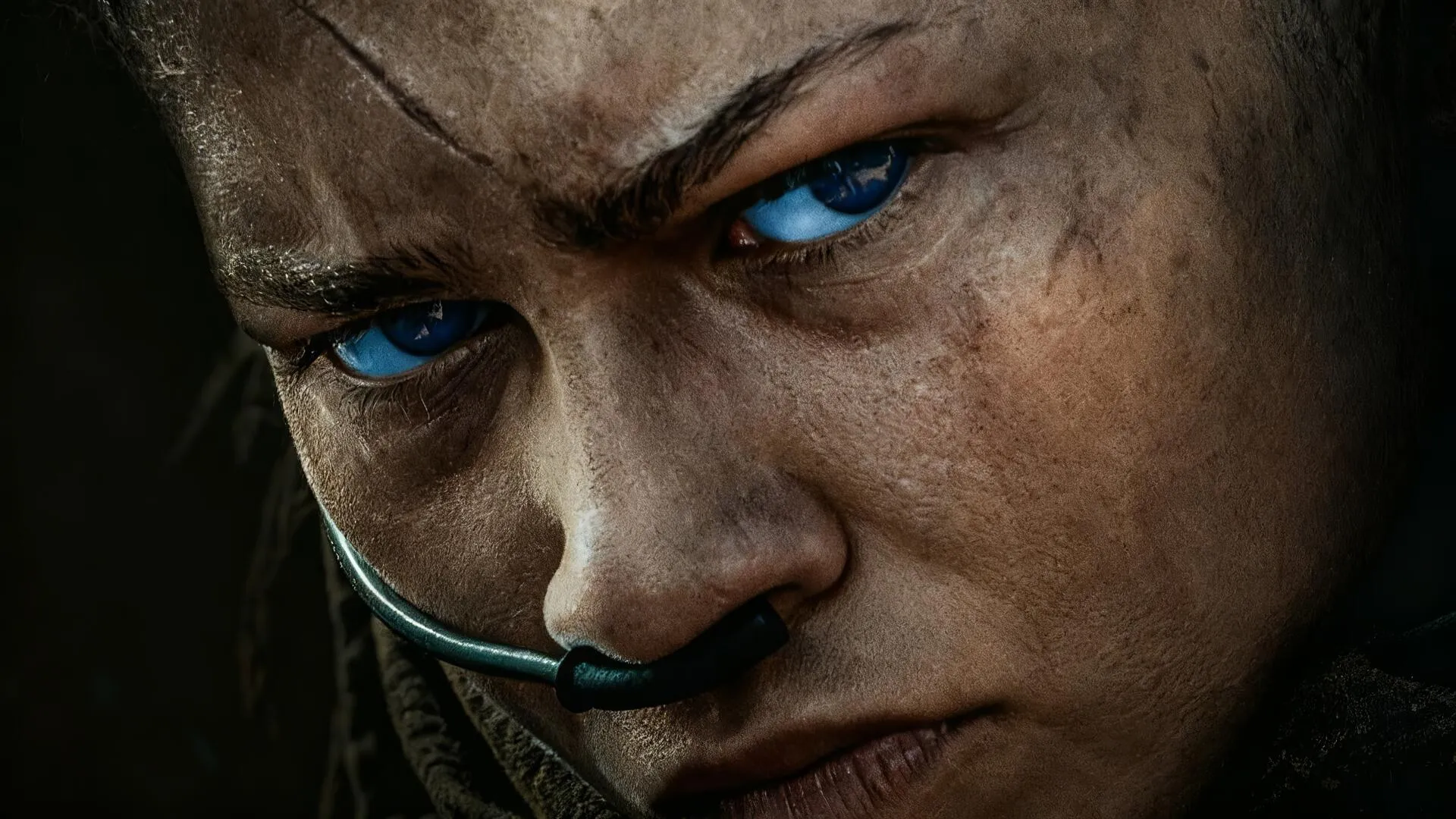
The spice is flowing again. Denis Villeneuve's Dune franchise has reshaped sci-fi cinema, winning six Academy Awards for the first film and dominating the box office with the second. Now the saga nears its darkest chapter. Dune: Part Three adapts Frank Herbert's Dune Messiah, and the first teaser trailer has arrived. It promises something very different from the hero's journey audiences have grown used to. This is not a story about winning. It is about what comes after victory, and it looks devastating.
Watch the official trailer for Denis Villeneuve's Dune: Part Three
Seventeen Years Later: The Time Jump That Changes Everything
The trailer confirms what sharp-eyed fans suspected: Dune: Part Three is set seventeen years after Dune: Part Two. That departs noticeably from Herbert's novel, where Dune Messiah begins just twelve years later. The longer gap serves a key narrative purpose, letting Anya Taylor-Joy's Alia Atreides grow into a major force in Paul's court.
In the books, Alia is born soon after Paul rises to power and ages rapidly because she was pre-born, leaving her wise beyond her years. The film leans into that strange quality while also giving Taylor-Joy substantial screen time. She appeared briefly in Part Two as a vision of Alia in the womb, and now she walks the imperial palace as a fully grown adult. Her presence adds a fresh layer of tension to the Atreides dynasty.
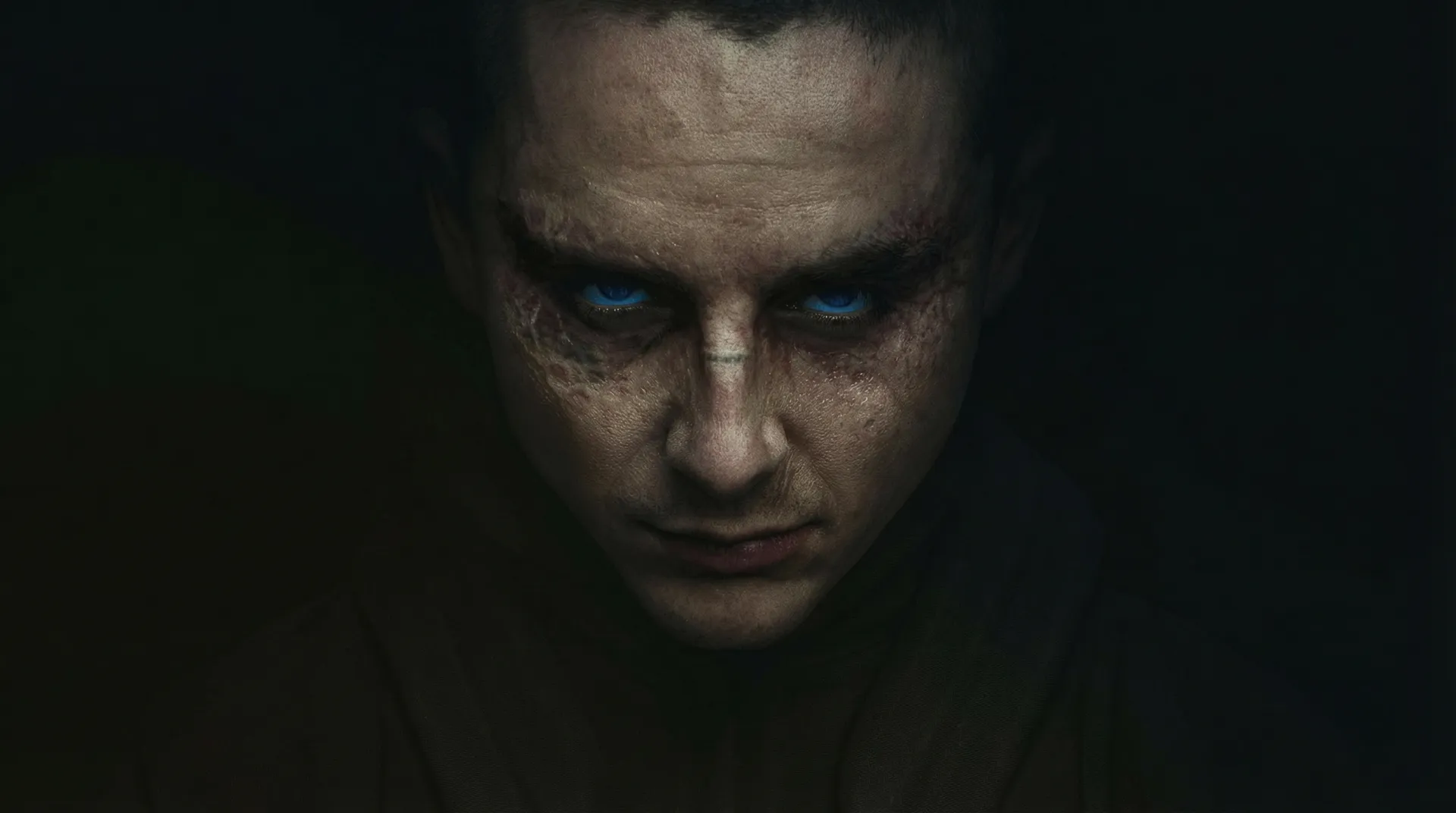
Timothée Chalamet returns as Emperor Paul-Muad'Dib Atreides, now ruling a fractured universe. Credit: Warner Bros. Pictures
The War the Books Skipped Is Finally Here
One of the most debated aspects of Herbert's Dune Messiah is what it leaves out. The novel leaps from Paul's victory straight into his troubled reign, and readers never witness the galactic jihad that carries Fremen armies across the known universe. Herbert did this on purpose, wanting to avoid glorifying the violence he was criticizing. The book leaves the horrors of Paul's conquest to the imagination.
Villeneuve takes another path. The Part Three trailer is full of war imagery: armies clashing in desert sand, Spacing Guild ships burning in orbit, and Fremen legions marching on planets that look nothing like Arrakis. This expansion lets the film show what Herbert deliberately hid, and it also supplies the spectacle audiences expect from a blockbuster finale.
The choice carries thematic weight too. By showing Paul's holy war directly, Villeneuve can confront viewers with the consequences of messianic leadership. Paul wanted to free his people and instead unleashed catastrophe. Seeing that destruction on screen makes the tragedy more immediate than any novel could.
What the Novel Leaves Out
Herbert's Dune Messiah opens with Paul already infamous across the galaxy. Sixty-one billion people have died in his name, three thousand planets have been conquered, and ninety chemical weapons have been used. The novel mentions these figures in passing, while the film seems determined to show the faces behind the statistics.
This shift is the biggest difference between Herbert's literary approach and Villeneuve's cinematic vision. One buries the war in dialogue; the other puts it front and center.
Robert Pattinson Enters the Universe as Scytale
The casting news that rocked the internet is now confirmed: Robert Pattinson plays Scytale, a Face Dancer assassin from the Bene Tleilax. In the books, the Tleilaxu are genetic manipulators who can create gholas, clones of the dead with their memories intact. Scytale is their emissary in the conspiracy against Paul, calm, calculating, and utterly inhuman in his detachment.
Pattinson has shown his range since his Twilight days, and work in Good Time, The Lighthouse, and The Batman made him one of the most interesting actors of his generation. The trailer gives only a glimpse of his character. He speaks in a soft monotone and his eyes reveal nothing. He is the calm at the center of the storm, which makes him far scarier than any shouting villain.
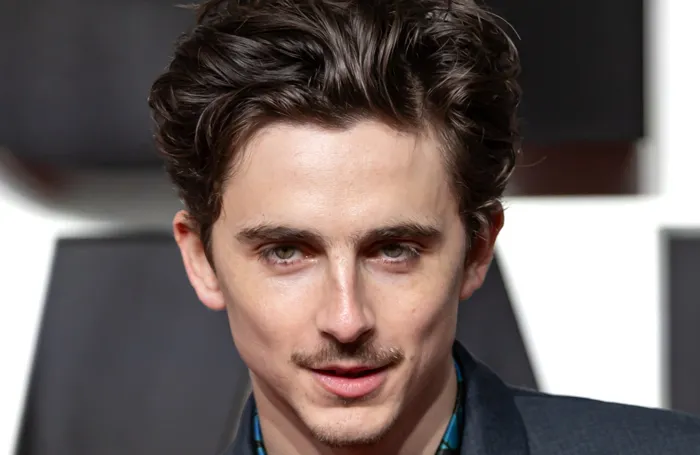
Timothée Chalamet
Paul Atreides

Zendaya
Chani

Robert Pattinson
Scytale

Anya Taylor-Joy
Alia Atreides
The Conspiracy Against the Emperor
Dune Messiah is a political thriller dressed as science fiction. Its plot revolves around a conspiracy to topple Paul Atreides, with conspirators drawn from every major power in the Imperium: Princess Irulan, Paul's wife and the deposed emperor's daughter; the Spacing Guild, whose space-travel monopoly has been broken by Fremen navigators; the Bene Gesserit, whose breeding program Paul defied; and the Tleilaxu, represented by Scytale.
Each faction has its own motive for wanting Paul dead, and each feeds into a plan that seems impossible to stop. The trailer hints at this layered conflict. Florence Pugh's Irulan watches Paul and Chani with barely hidden jealousy, Charlotte Rampling returns as Reverend Mother Gaius Helen Mohiam, scheming from the shadows, and somewhere in the background Scytale readies his deadliest weapon: a ghola of Duncan Idaho.
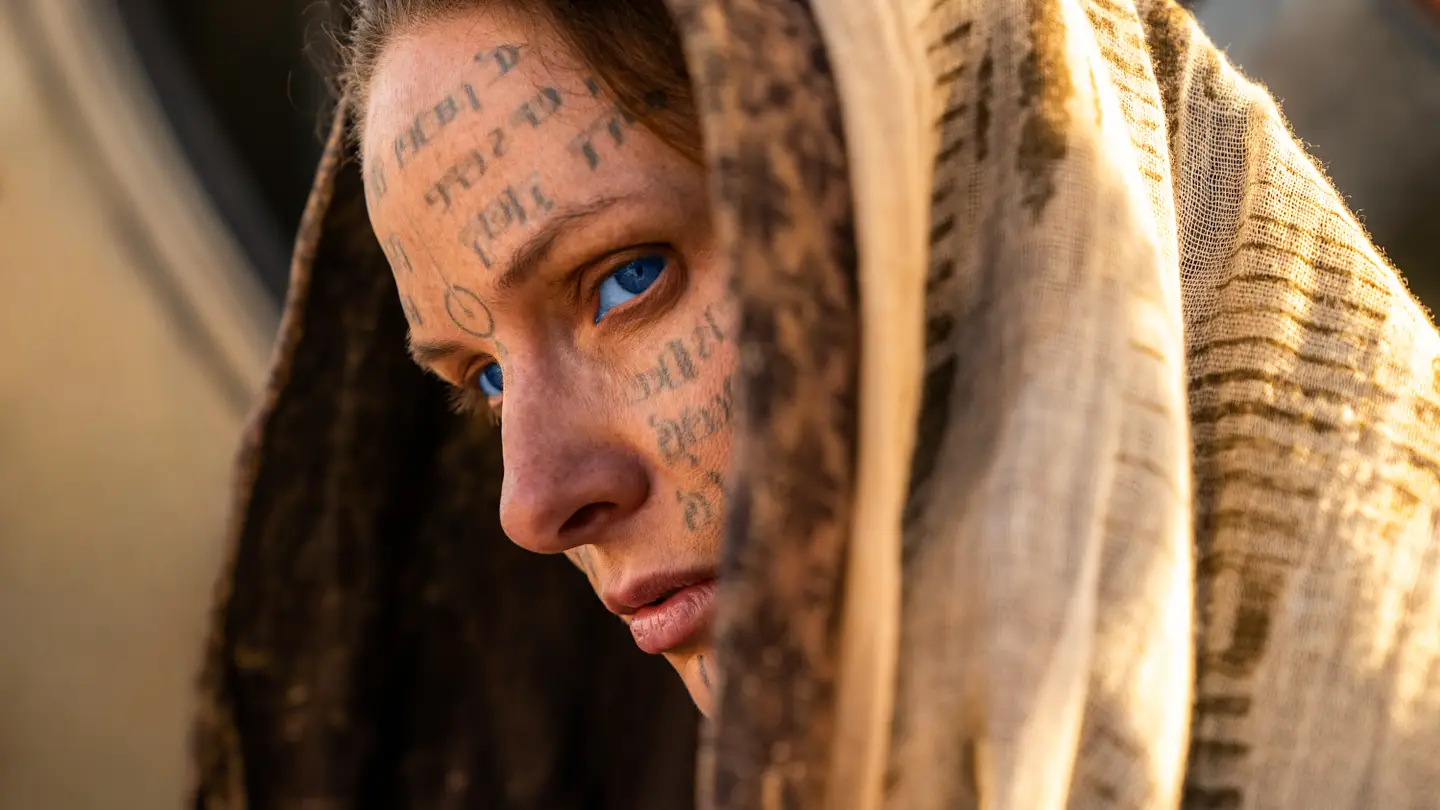
Rebecca Ferguson returns as Lady Jessica, Paul's mother and a powerful Bene Gesserit Reverend Mother, making a brief but crucial appearance in Dune: Part Three.
The Return of Duncan Idaho
Jason Momoa's Duncan Idaho died in the first Dune film, killed while defending Paul and Lady Jessica from Sardaukar assassins. It was a heroic exit for a beloved character. But in the world of Dune, death is not always final. The Tleilaxu have the technology to resurrect the dead as gholas, restoring their memories, skills, and personalities. Such creations are costly and dangerous, and the Tleilaxu rarely share them lightly.
The trailer confirms that Duncan has returned to the universe. Momoa appears in several shots looking confused and haunted. In the books, the Duncan ghola is a tool of the conspiracy, meant to infiltrate Paul's inner circle and destroy him from within. But gholas are unpredictable. They sometimes remember past lives and sometimes grow loyal to the very people they were meant to betray.
This storyline adds emotional weight. Paul has lost everyone he loved: his father is dead, his mentor Gurney Halleck is distant, and Chani is slipping away. Duncan's return offers a possible salvation, but it also offers a possible knife in the back. The character's ambiguity creates tension that runs through the entire narrative.
The Secret Weapon of the Tleilaxu
In Herbert's Dune Messiah, the Tleilaxu create a ghola of Duncan Idaho specifically to serve as the conspiracy's assassin. The ghola is programmed with a subconscious command to kill Paul, but the plan backfires when Duncan's original memories resurface and his loyalty to House Atreides overrides his programming.
The film seems to be following this arc closely. Momoa's performance will need to capture both Duncan's familiarity and the strangeness of a man who knows he has been resurrected.
The Tragedy of Paul Atreides
Timothée Chalamet has described Paul's arc in Part Three as his darkest yet. "Paul is not a hero," Chalamet said in a recent interview. "He was never meant to be. The first two films show his rise. This one shows his fall. It asks the audience to reconsider everything they thought about his journey." The trailer backs this up. Paul looks exhausted, haunted, and increasingly paranoid. He sees threats everywhere because threats are everywhere, and he cannot trust his advisors, his wife, or even his own mother.
His relationship with Chani is the emotional core of the film. The two have drifted apart over seventeen years of war. Chani never wanted the imperial throne or the jihad. She loved Paul the Fremen fighter, not Paul the Emperor of the Known Universe. The trailer shows them arguing about the future and discussing baby names, still trying to hold onto something already broken.
Zendaya's performance looks like the heart of the film. Her Chani is the audience's conscience, questioning Paul's choices when no one else will and reminding him of who he used to be. And when the conspiracy finally strikes, Chani is the one who pays the highest price.
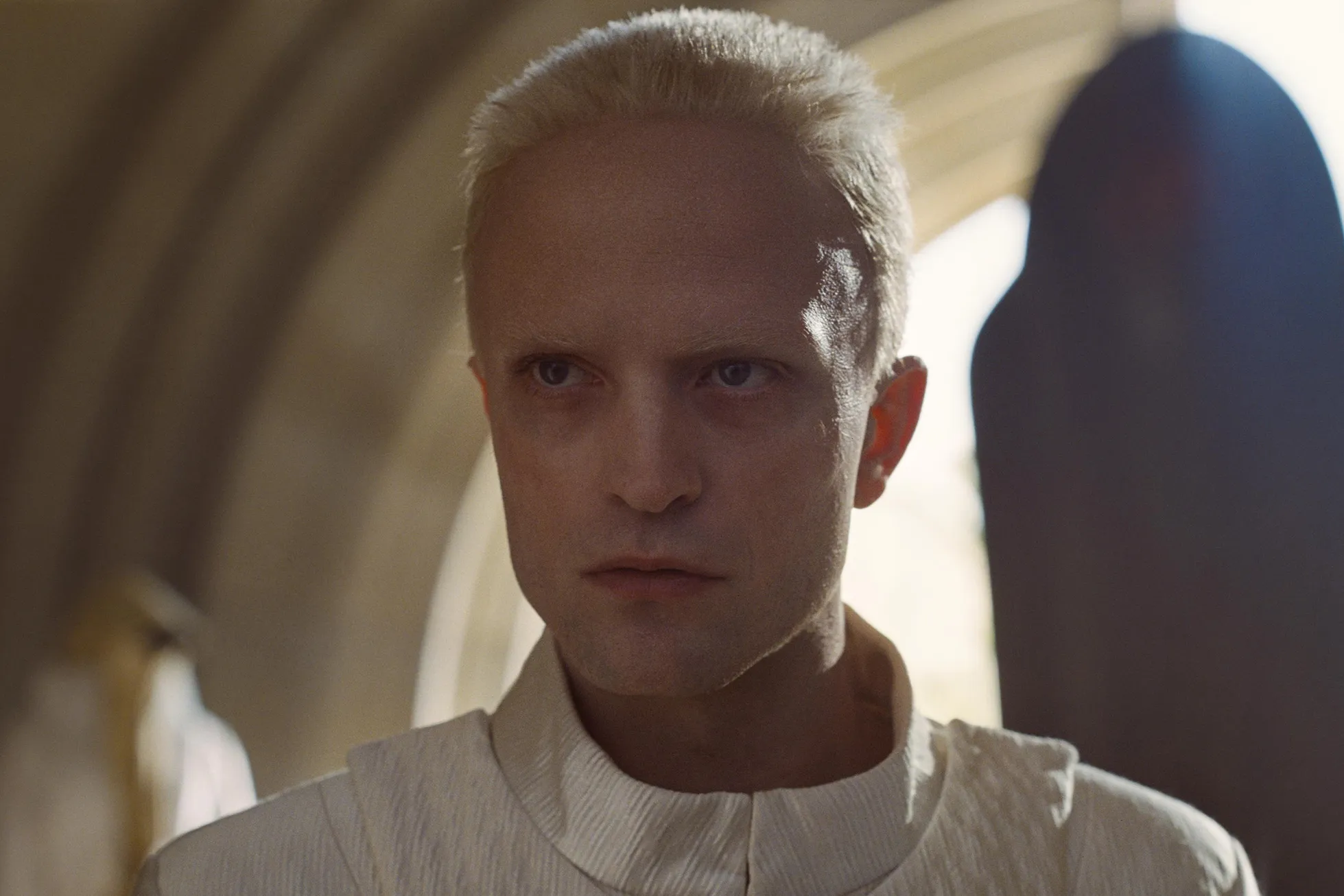
Robert Pattinson joins the franchise as Scytale, the Tleilaxu Face Dancer assassin.
The Twins: Leto II and Ghanima Atreides
One of the biggest additions to the cast has stayed under the radar. Nakoa-Wolf Momoa, Jason Momoa's son, plays Leto II Atreides, and Ida Brooke plays Ghanima Atreides. They are the twin children of Paul and Chani, born near the end of Dune Messiah in the books. Their arrival fundamentally changes the Imperium's balance of power: the Bene Gesserit see them as potential pawns, the Tleilaxu see threats, and Paul sees his legacy.
Casting Nakoa-Wolf Momoa adds a meta-textual layer. His father plays Duncan Idaho, the ghola, while the younger Momoa plays the heir to the Atreides name. The symmetry is almost too neat, and their scenes together are likely to carry real emotional weight.
The Return of Hans Zimmer
No discussion of Villeneuve's Dune is complete without Hans Zimmer. The composer won his second Academy Award for the score of Dune: Part Two, and his music is now inseparable from the world of Arrakis: the grinding bagpipes of the Sardaukar theme, the haunting vocals of the Fremen chants, and the swelling strings that accompany Paul's transformation into Muad'Dib.
Zimmer has confirmed his return for Part Three and called the score his most experimental yet. "Denis and I talked about the evolution of Paul's character," Zimmer explained. "The music had to evolve with him. It couldn't stay heroic. It needed to become tragic." Early reactions to the trailer suggest he has pulled it off. The teaser includes a new theme for Scytale that sounds unlike anything else in the franchise: cold, mechanical, and deeply unsettling.
Dune: Part Three - By The Numbers
- Release Date:December 18, 2026
- Time Jump:17 years
- Returning Cast:11+ actors
- New Cast Members:6+
- Shooting Locations:Budapest, Abu Dhabi, Jordan
The Conclusion of an Era
Villeneuve has made clear that Dune: Part Three ends his time with the franchise. He will not adapt Children of Dune or God Emperor of Dune, so Paul's story concludes here. The director calls the film a tragedy, not a triumph. "Heroes are dangerous," Villeneuve told Empire Magazine. "We should be suspicious of anyone who claims to have all the answers. Paul Atreides believed he was saving the universe. Instead, he damned it."
That is the message of Dune Messiah: power corrupts, prophecy is a weapon, and the road to hell is paved with good intentions. The film will not hand out easy answers or a satisfying victory. It will show the cost of Paul's choices in the harshest terms imaginable.
The trailer closes with a voiceover from Paul. He sounds exhausted and defeated, like a man who has seen too much and lost too much. "I was never your messiah," he says. "I was only a man who refused to stop fighting. And now, the universe is burning because of me."
December 2026 cannot come soon enough.
Written by Marcus Reynolds
Senior Film Industry Analyst
Sources: Warner Bros. Pictures, Legendary Entertainment, official teaser trailer, cast and crew interviews
Release date: December 18, 2026
Distributed by Warner Bros. Pictures